Otoplasty in San Diego
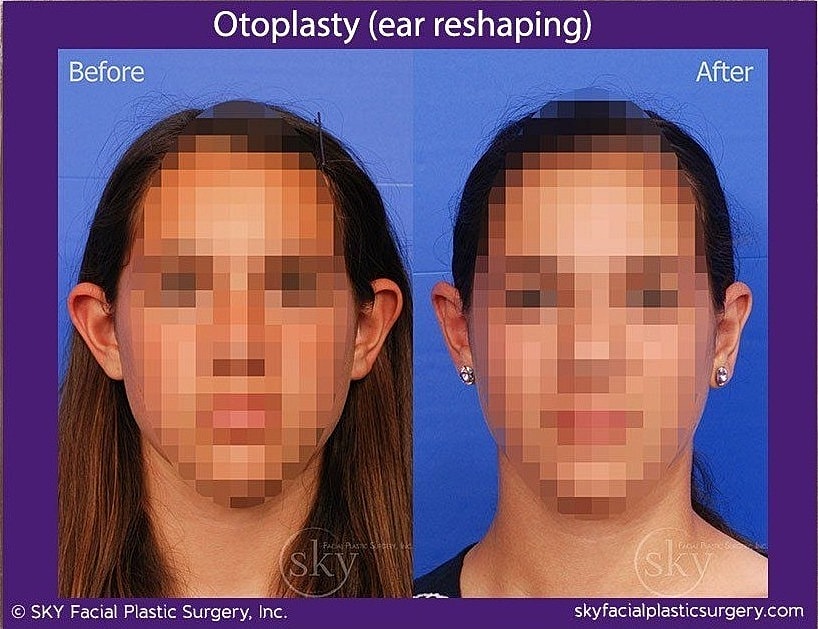
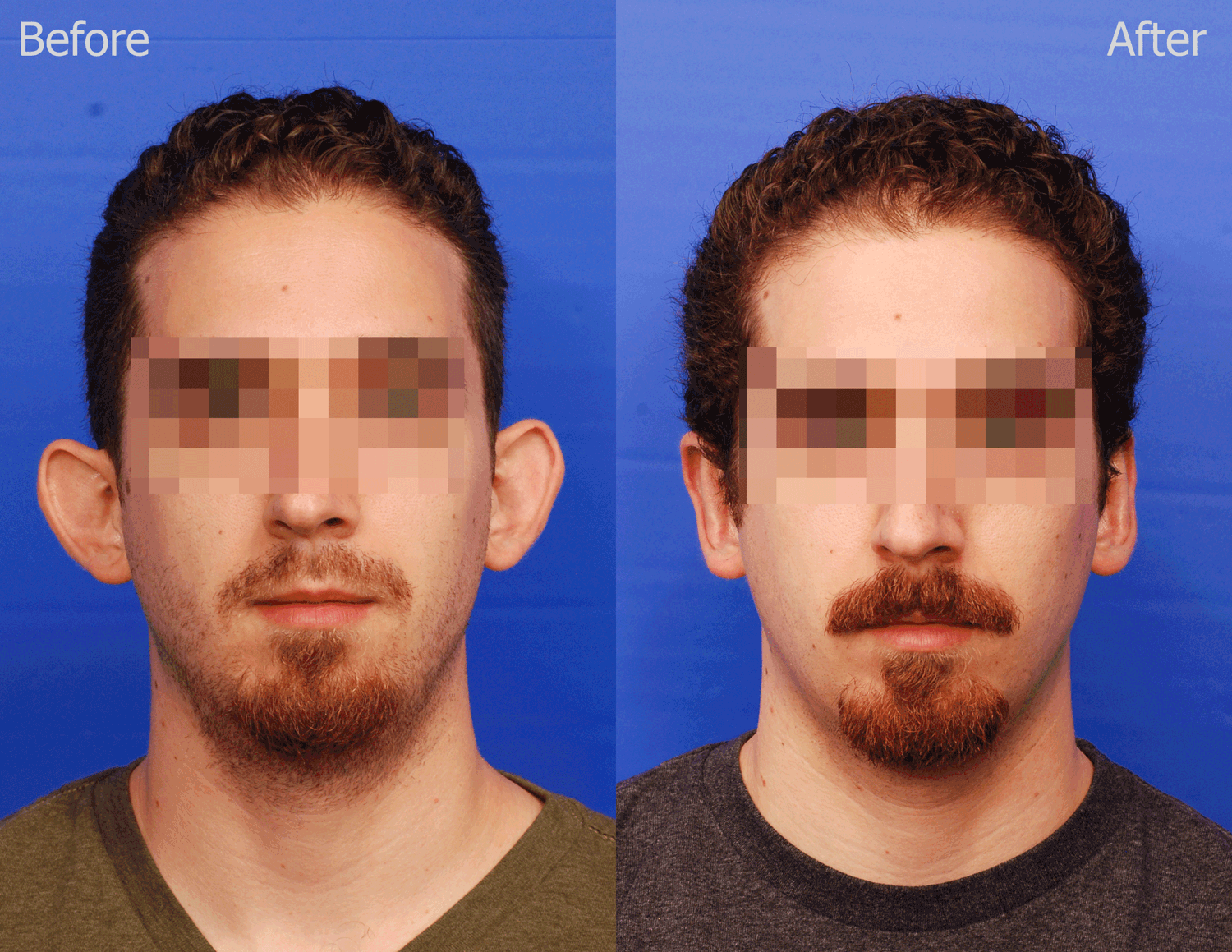
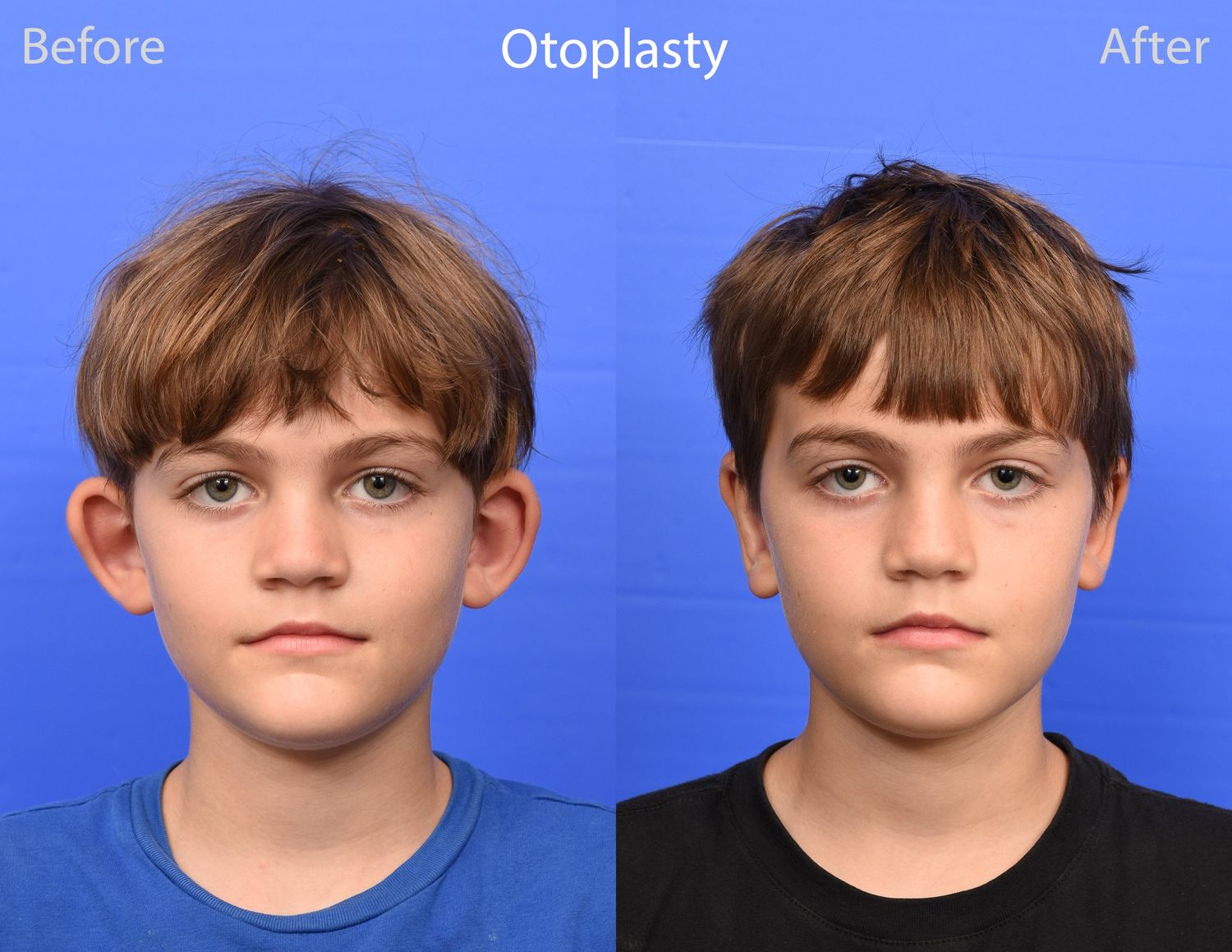
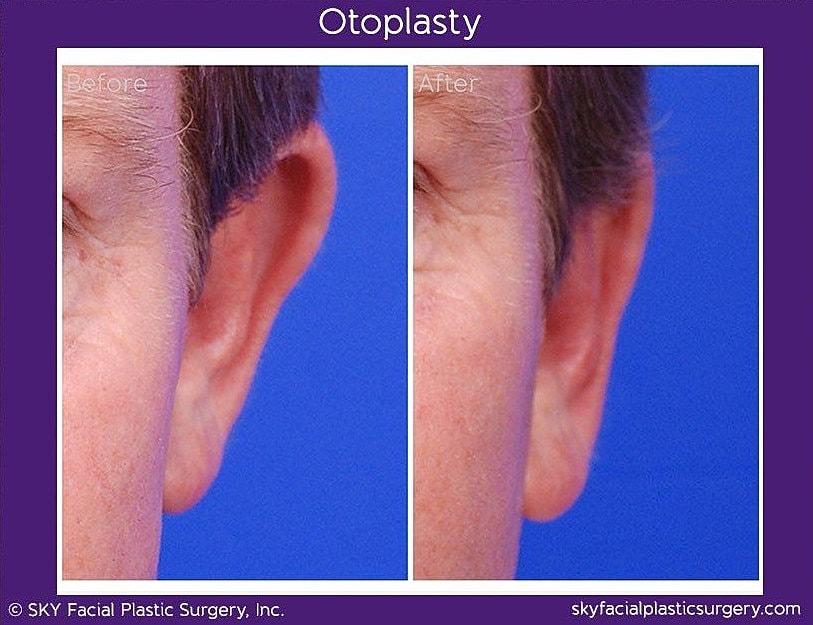
Otoplasty, or ear surgery, reshapes and repositions the ears to improve their size, shape, symmetry, or prominence and create a more balanced appearance.

Otoplasty, or ear surgery, reshapes and repositions the ears to improve their size, shape, symmetry, or prominence and create a more balanced appearance.
For many patients, prominent ears have shaped the way they wear their hair, pose for photos, or move through social situations for years. Otoplasty offers a lasting way to refine the contour and position of the ears with careful, exact structural changes that support a more balanced appearance. Dr. Yoo performs otoplasty in San Diego with careful attention to ear shape, cartilage structure, and facial harmony to create a natural-looking, balanced result.
1 of 4
Otoplasty is a cosmetic ear surgery that reshapes, repositions, or refines the ears to create a more natural appearance. It can address protruding ears, misshapen ears, overly large ears, minor deformities, ear asymmetry, and certain concerns related to ear injuries or congenital ear deformities.
Otoplasty surgery is often called ear pinning or ear reshaping surgery, but the procedure can involve much more than simply setting the ears closer to the head. Depending on the patient’s anatomy, Dr. Yoo may reshape ear cartilage, recreate the antihelical fold, reduce excess conchal cartilage, or improve the balance of one or both sides.

At our office in San Diego Otoplasty treats structural and cosmetic ear concerns that affect proportion, symmetry, and visibility.
It may be recommended for:
For many patients, the concern is simply that the ears draw attention before the rest of the face does.
Otoplasty can create a more natural shape and a more balanced appearance without changing what makes the face recognizable. The goal is a natural, proportional result, with the ears complementing your features without drawing attention away from them.
Benefits of otoplasty may include:

Otoplasty is customized to the structure of the ear. Where some patients need the ears brought closer to the head, others need contour refinement, cartilage reshaping, or correction of asymmetry. Dr. Yoo selects the surgical techniques that best fit the anatomy rather than using the same approach for every patient.
During the Procedure
The procedure is typically performed on an outpatient basis, which means patients return home the same day.
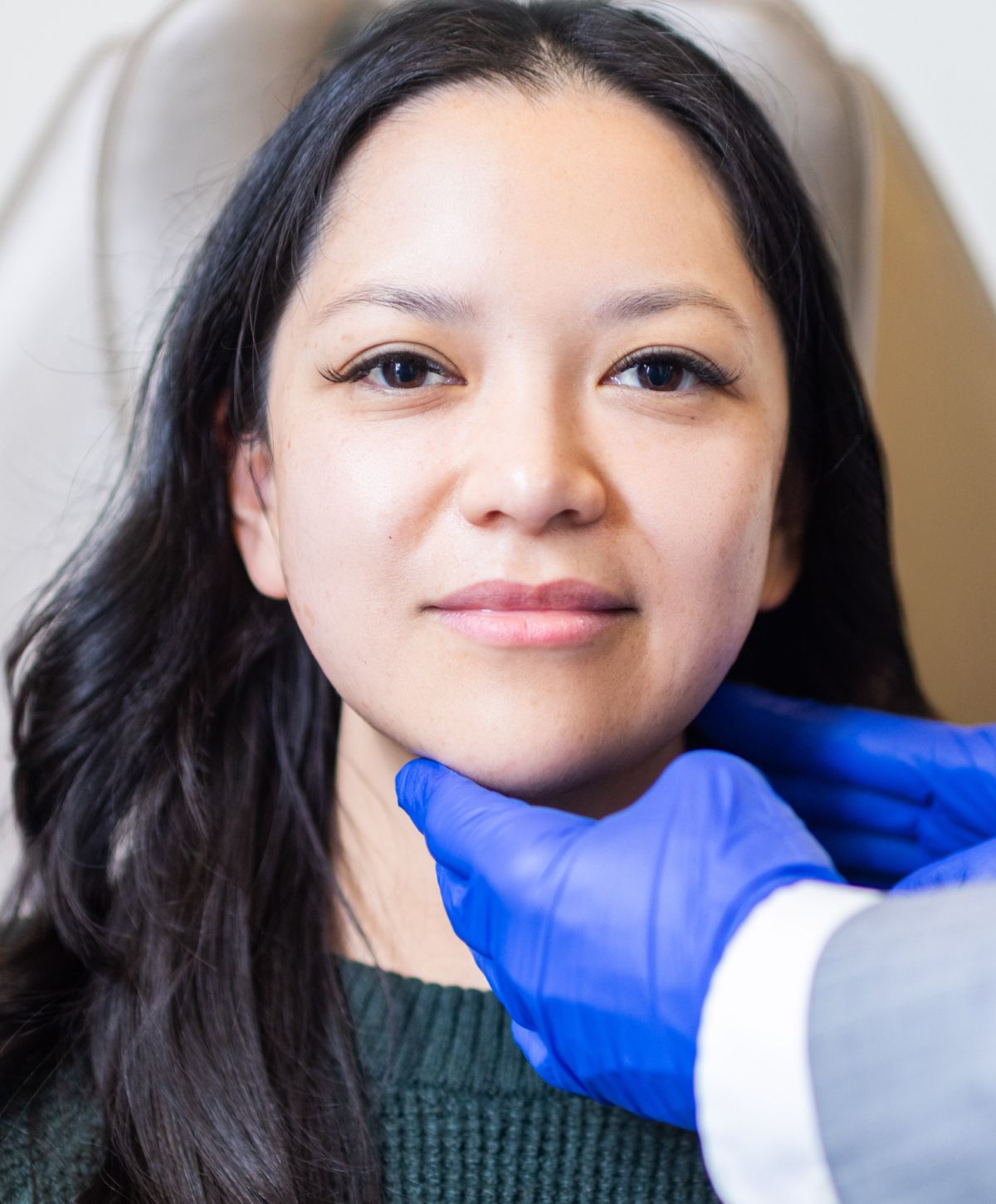
Otoplasty can be a strong option for healthy individuals who are bothered by the shape, size, projection, or symmetry of their ears and want a lasting surgical solution.
Dr. Yoo also evaluates patients who have had previous ear surgery, although revision cases may require a more individualized plan.
Preparation matters. A smoother recovery usually begins before the procedure.

Most patients can expect a manageable otoplasty recovery, but the first few weeks are important for protecting the new ear position and supporting clean healing.
A bandage is typically worn for the first five to seven days. Once it is removed, the ears may still look swollen, slightly bruised, or pink. Many patients feel ready to return to school, work, or routine public activities after about a week, depending on how visible they want the healing process to be.
After Otoplasty San Diego patients should avoid sleeping directly on the ears, pulling clothing over the head carelessly, and any activity that risks bending the ears forward. A neoprene ear protector or similar supportive headband is usually worn at night for about a month. Contact sports and more vigorous physical activity should wait until Dr. Yoo says it is safe.
Protect the ears from pressure. Keep the surgical site clean and dry as directed. Attend every follow-up visit. Small details during the healing process can have a real effect on patient outcomes.
You will notice a change in ear position and shape as soon as the initial dressings come off, but that is not the final result. Some swelling is expected early on. As the skin and cartilage settle, the ears begin to show a more natural shape and softer contour.
Most patients have a good sense of their improvement within the first few weeks. Refinement continues beyond that as residual swelling fades and the ears relax into their new position.
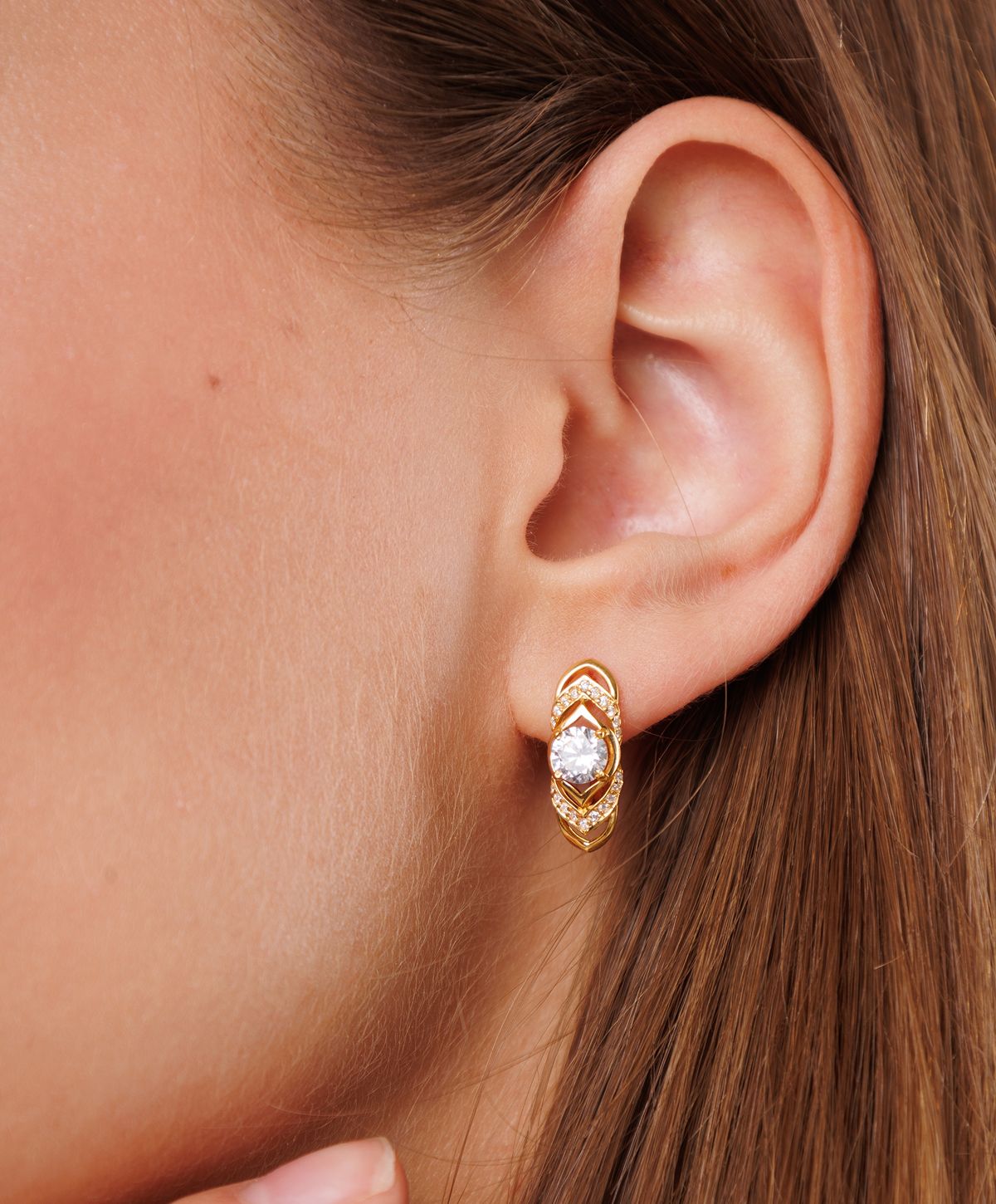
Otoplasty results are intended to be long-lasting. In most patients, the correction is considered permanent.
The ears will still age naturally with the rest of the body, but the structural changes created during surgery are designed to hold. Loss of correction is uncommon, though it can happen if healing is disrupted or if a complication affects the cartilage or sutures.
Scars from otoplasty are usually well hidden because the main incision is most often placed behind the ear. This location allows access to the cartilage while keeping the scar out of direct view in most settings.
Early scars may look pink or firm. That changes with time. As healing progresses, they typically soften and fade. Good scar care, protection from unnecessary tension, and careful follow-up all support the best possible result.
Small differences in cartilage shape, fold definition, and projection can change the way the face reads overall. Dr. Sirius K. Yoo approaches otoplasty with the same attention to balance, symmetry, and detail that defines the rest of his facial plastic surgery practice.
At SKY Facial Plastic Surgery, patients receive a thoughtful treatment plan, clear preparation guidance, and attentive follow-up throughout recovery. Whether the goal is to correct prominent ears, improve a congenital contour issue, or refine the results of previous ear surgery, treatment is tailored to the individual rather than standardized.
If you are considering otoplasty in San Diego for yourself or your child, SKY Facial Plastic Surgery offers tailored care in a setting designed around comfort and natural-looking results. Schedule your consultation to learn whether ear reshaping surgery is the right next step.
No. Otoplasty procedures are performed for both children and adults. Some families choose treatment when a child is young enough for the ear cartilage to be corrected early, while many adult patients pursue ear reshaping later, after years of feeling self-conscious.
Ear pinning is one type of otoplasty. Otoplasty is the broader term for ear reshaping surgery. Some patients need the ears repositioned closer to the head, while others need cartilage contouring, asymmetry correction, or refinement of ear deformities.
In most cases, scarring is limited and well concealed behind the ear. Dr. Yoo places the incision carefully and follows exact closure techniques to support healing.
The cost of otoplasty in San Diego depends on the complexity of the procedure, whether one or both sides are treated, the anesthesia plan, and whether revision work is involved. After your consultation, our team will provide a personalized quote.
Yes. Otoplasty can be performed on one or both sides. Some patients need bilateral ear surgery, while others are primarily concerned with asymmetry affecting one ear.
Light daily activity usually returns fairly quickly, but contact sports and activities that could bend or hit the ears should wait until healing is further along. Dr. Yoo will guide you based on your recovery and the specifics of your procedure.
Results are generally long-lasting and considered permanent. The new contour and position are designed to hold over time, although healing problems or rare complications can affect the final outcome.
In some cases, yes. Patients with ear injuries, minor deformities, or previous ear surgery may still be good candidates, but the approach depends on the condition of the cartilage, skin, and existing scar tissue.