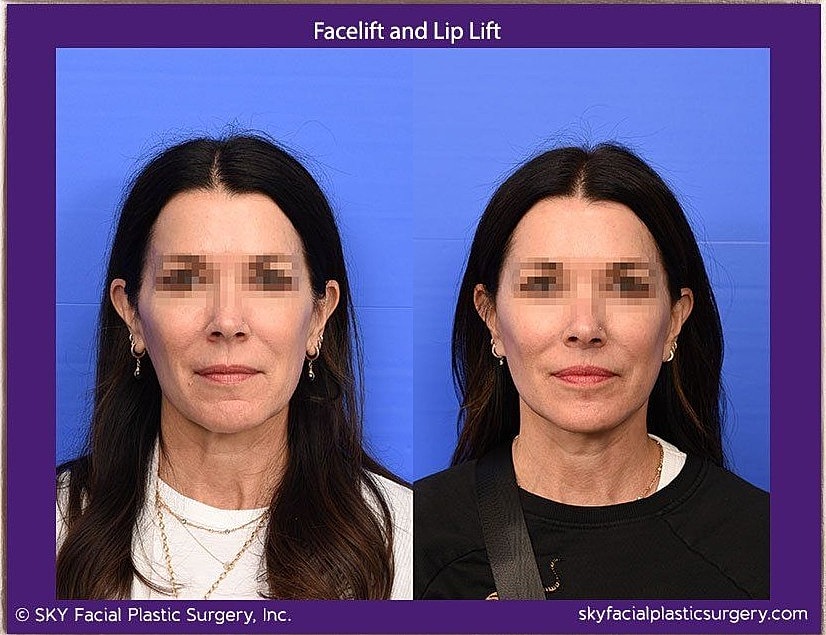
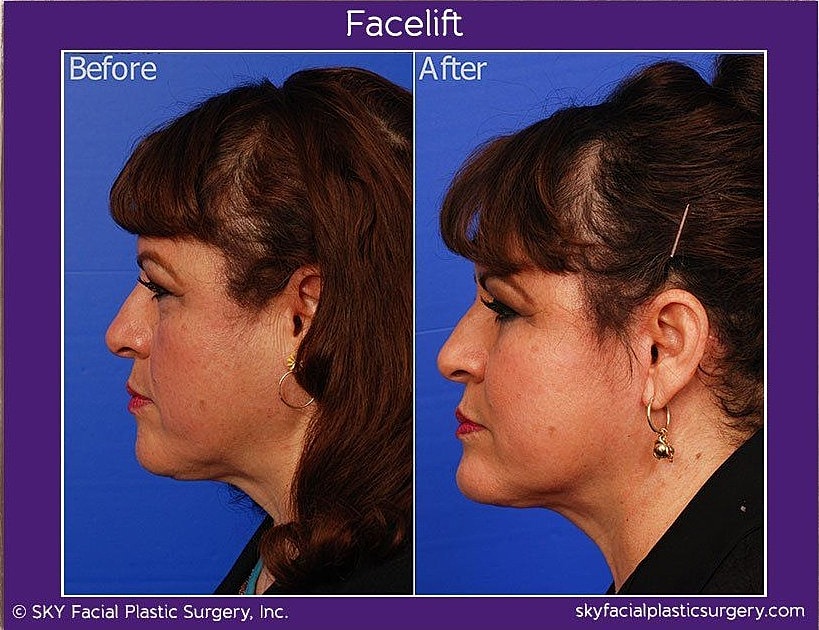
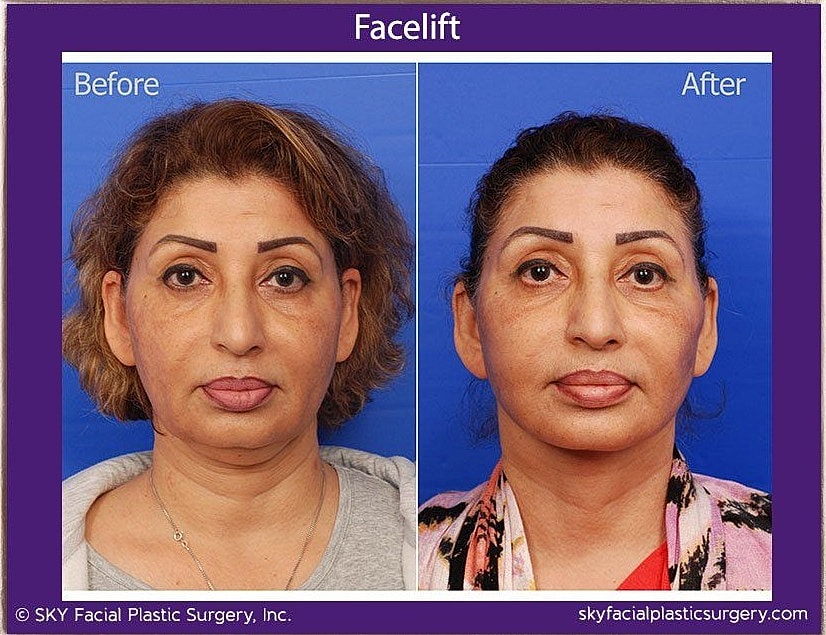
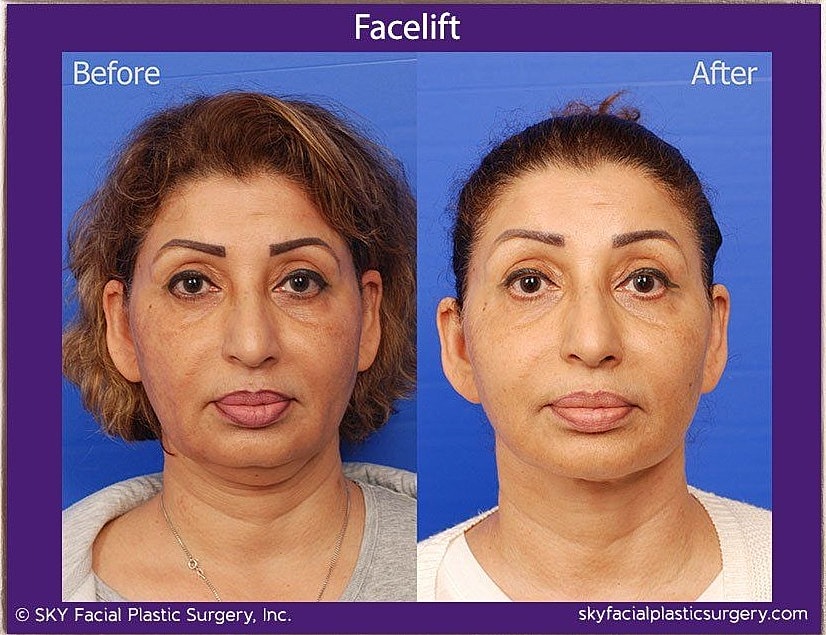
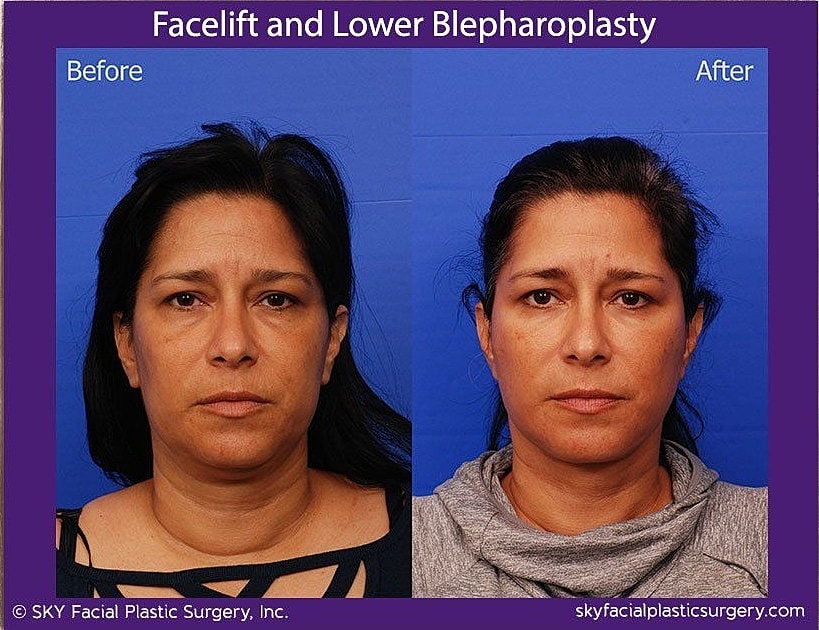
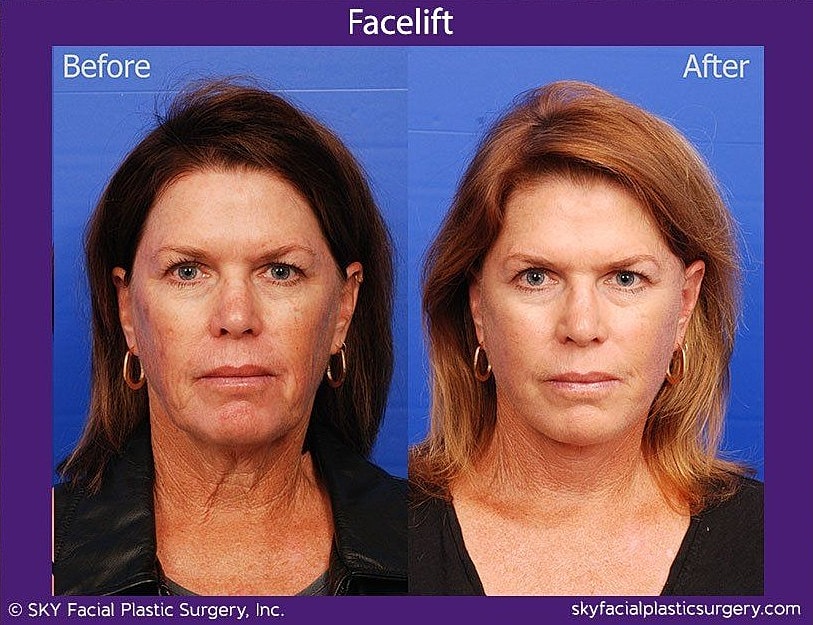
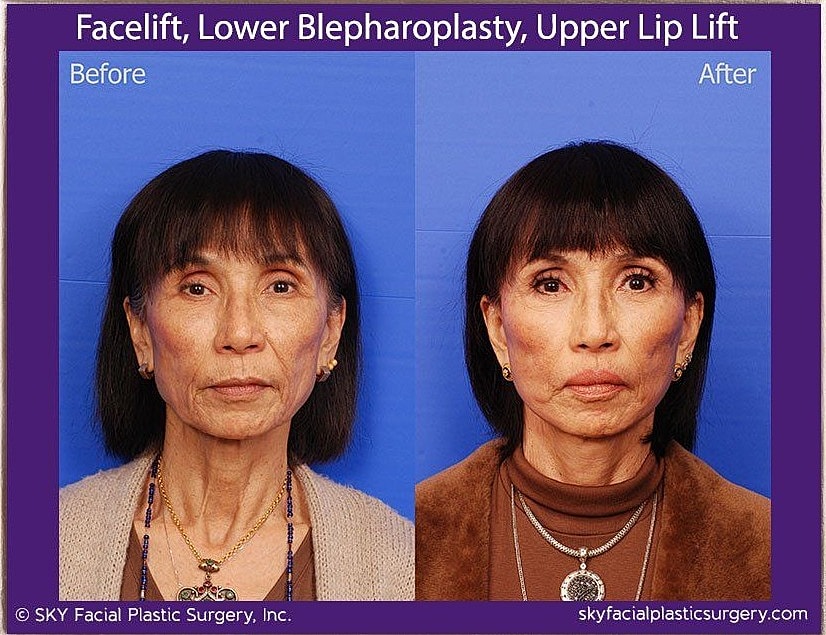
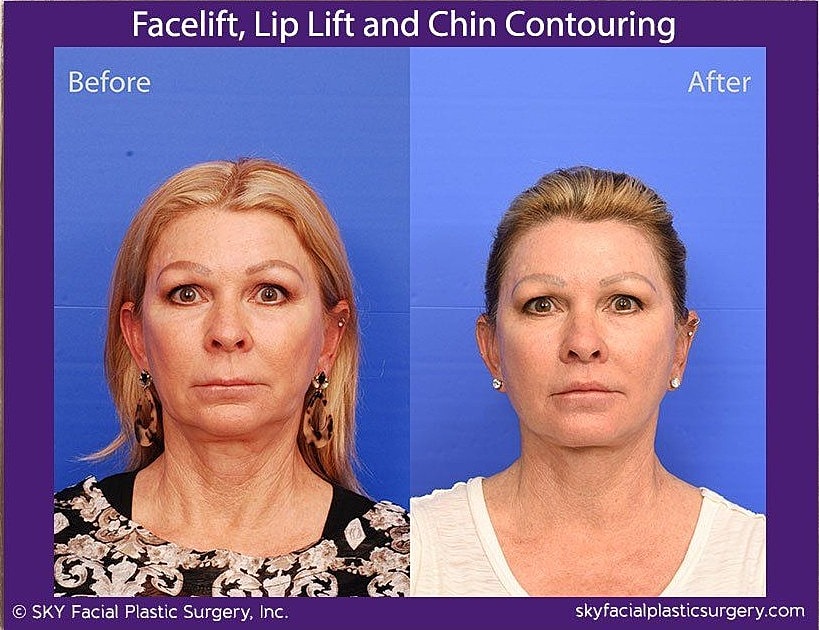
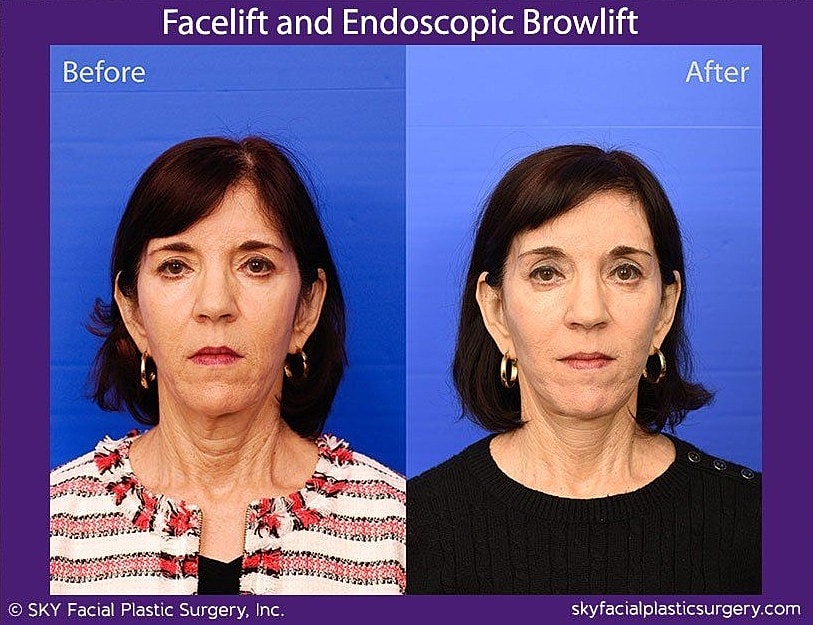
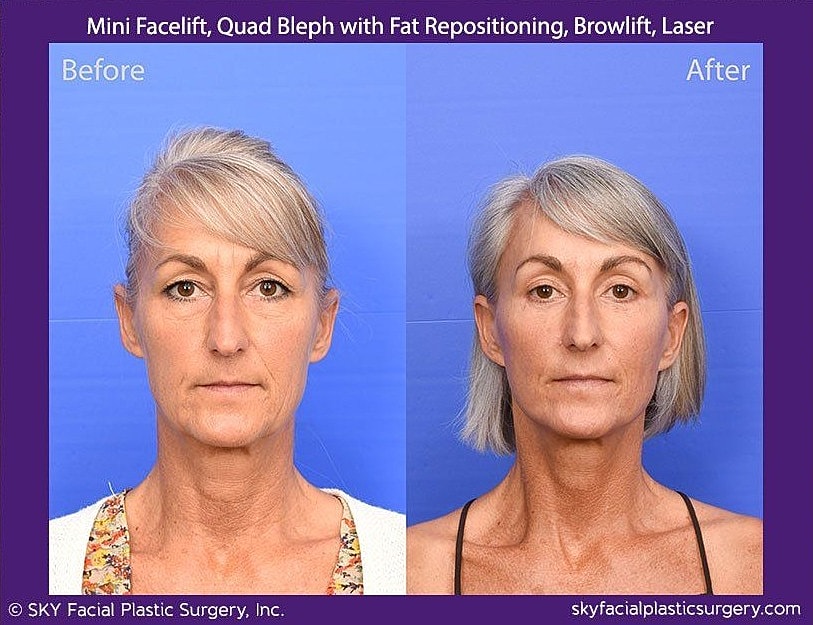
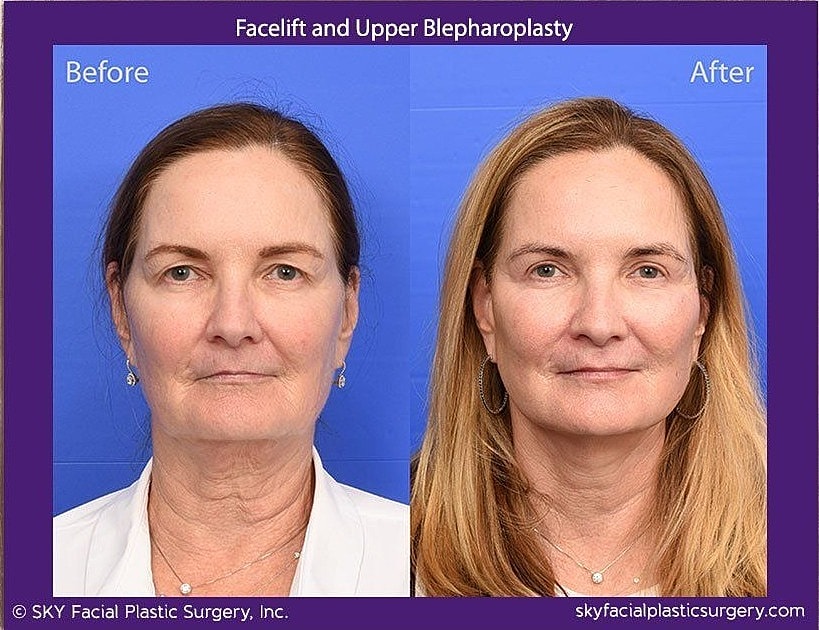
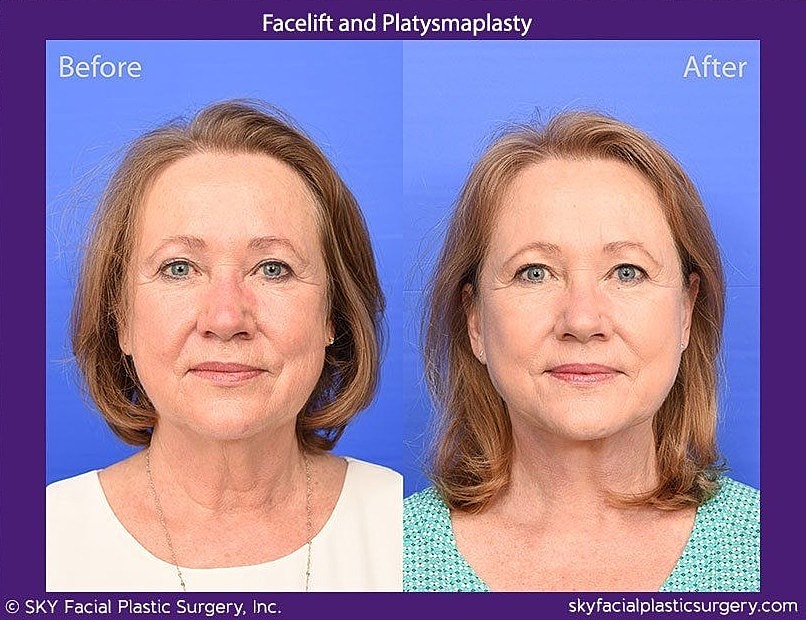
Deep Plane Facelift San Diego, CA
Deep Plane Facelift

Deep Plane Facelift
Natural Results Begin Below the Skin
A facelift should refresh the way you look without changing the qualities that make your face recognizable. Achieving that kind of result involves more than tightening sagging skin. It requires an understanding of the deeper facial structures, where volume has been lost, and how the face and neck have descended over time.
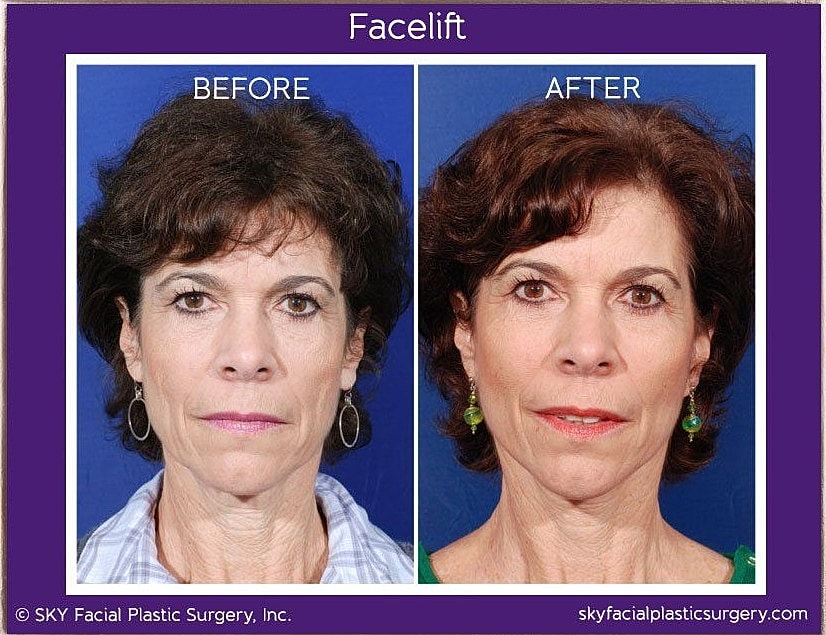
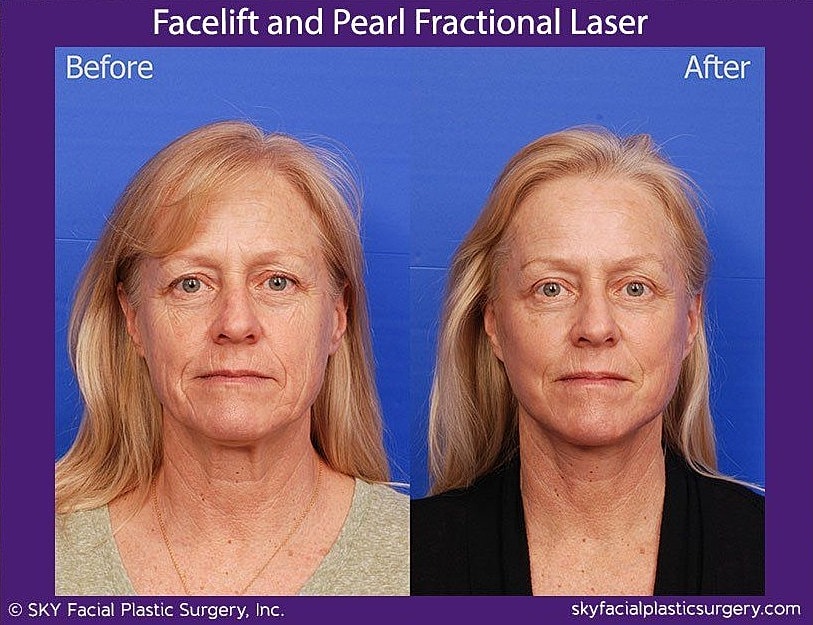
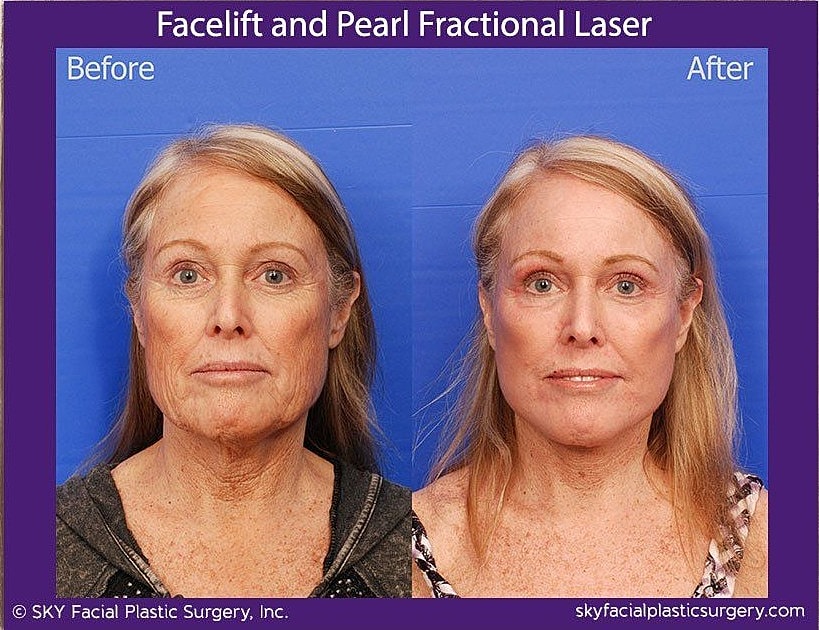
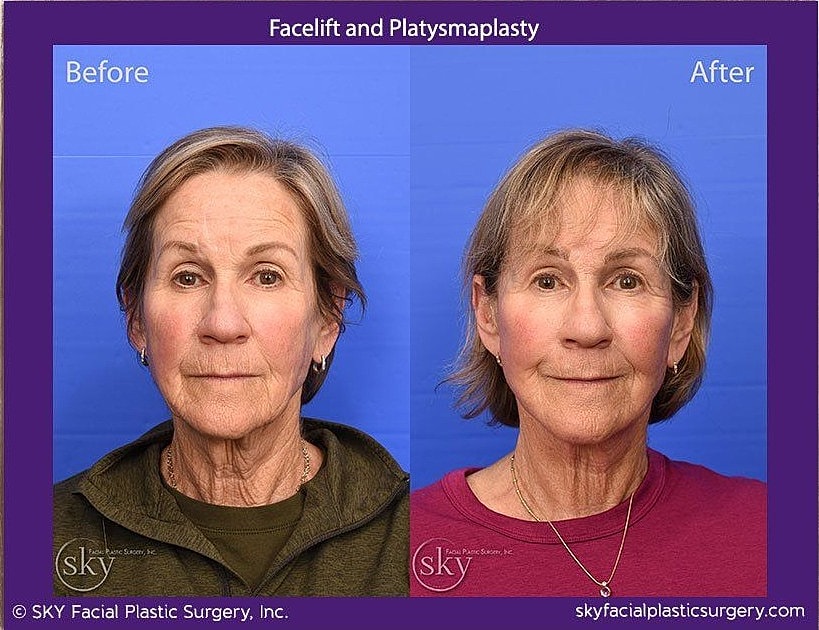
At SKY Facial Plastic Surgery, double-board-certified facial plastic surgeon Dr. Sirius K. Yoo uses a modified vertical deep plane technique in most of his facelift surgeries. He releases key facial ligaments, separates the facial and neck portions of the superficial musculoaponeurotic system along the jawline, and custom-contours the angle of the mandible when appropriate. This gives him greater control over how each area is lifted.
There are many variations of deep plane facelift surgery. Dr. Yoo adjusts his approach to your facial anatomy, skin quality, aging pattern, and goals rather than performing the same operation on every patient. His goal is to help you look refreshed while preserving the features and expressions that still feel like you.
1 of 33


Confidence That Goes More Than Skin-Deep
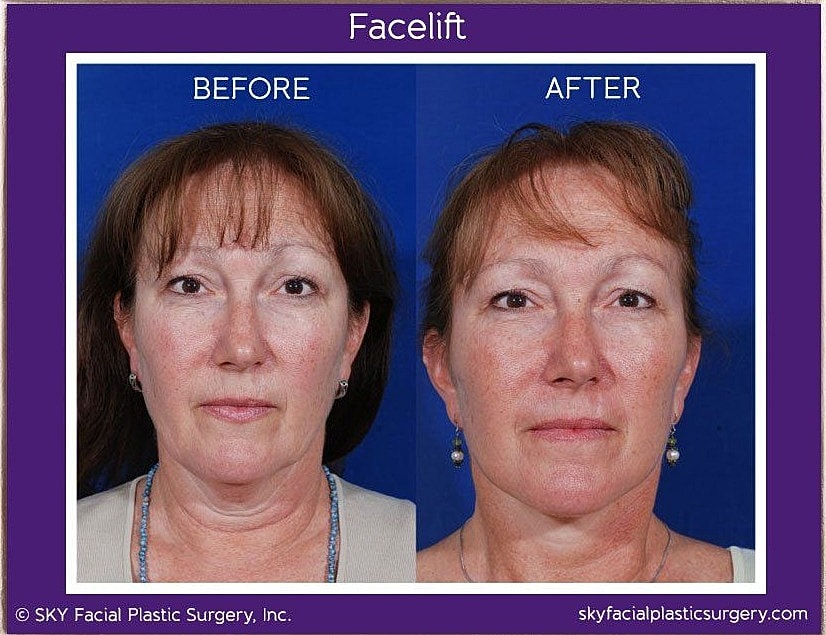
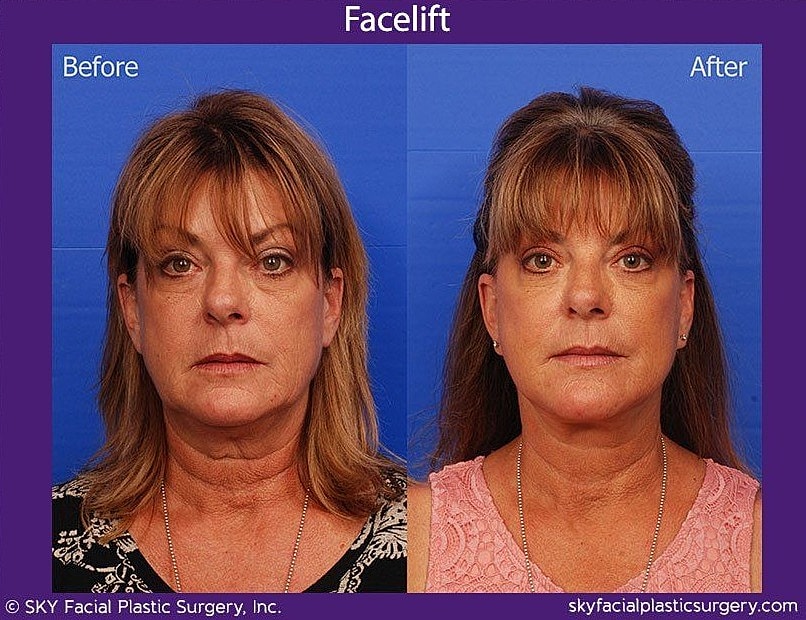
A deep plane facelift repositions deeper facial tissues rather than relying primarily on skin tightening. The technique involves dissection beneath the superficial musculoaponeurotic system (SMAS), a fibromuscular layer that supports the soft tissues of the face and neck. By releasing selected retaining ligaments, the surgeon can mobilize the SMAS and overlying tissues together and reposition descended tissues in the cheeks, jawline, and lower face with less reliance on tension placed on the skin.
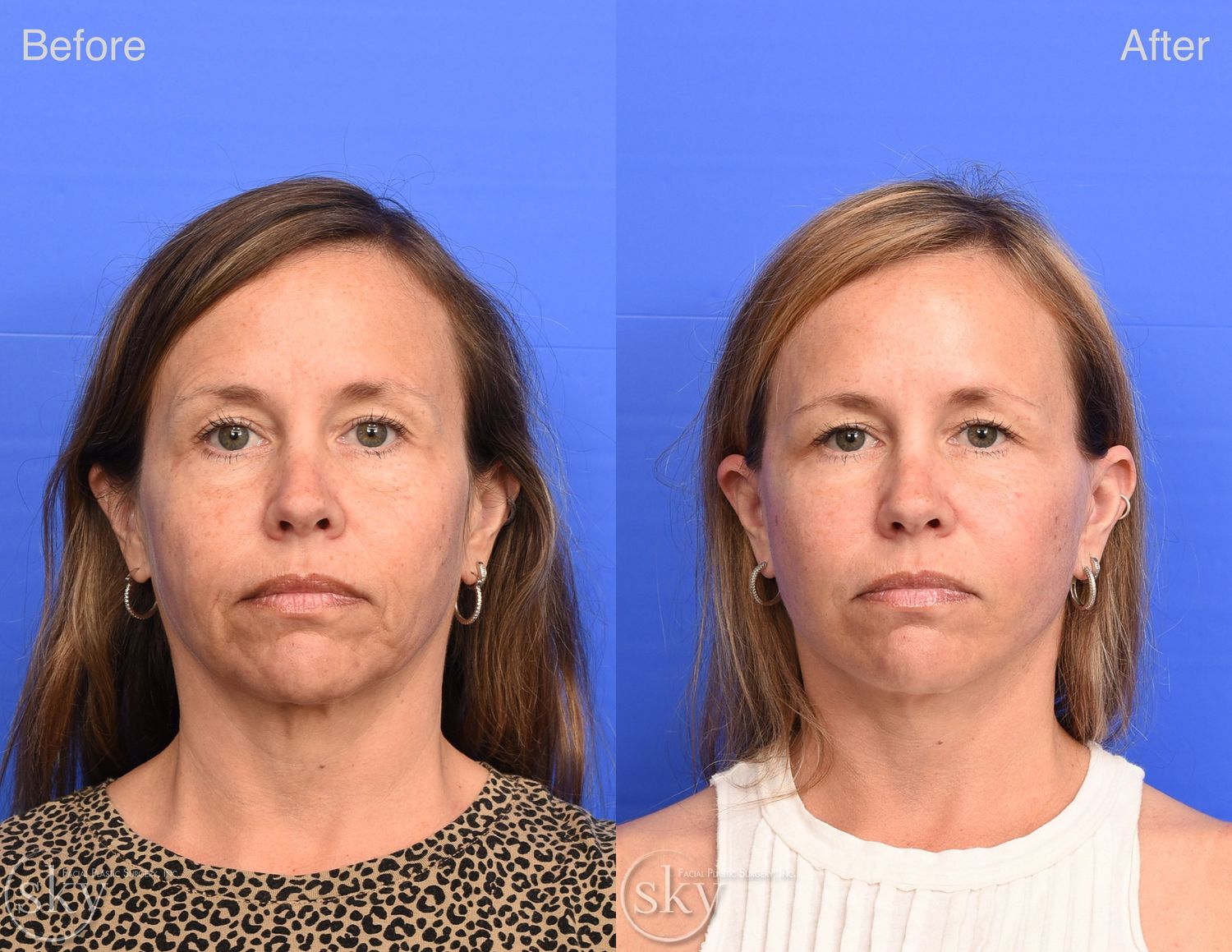
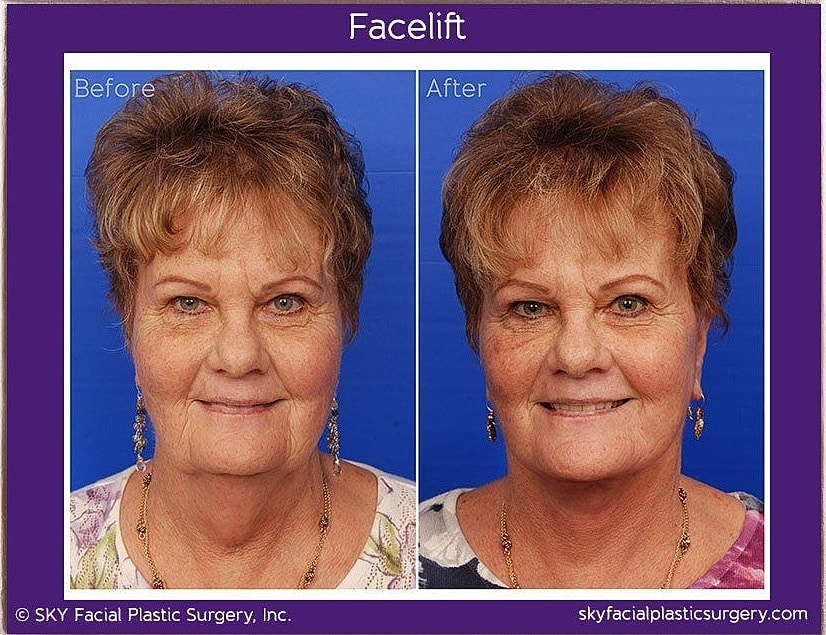
Facial aging affects several layers. The deeper tissues descend, facial fat diminishes in some areas, and the skin becomes more lax. The cheeks may settle, nasolabial folds can deepen, jowls may develop, and the jawline can lose definition. During a deep plane facelift procedure, selected retaining ligaments are released so the deeper facial tissues can move more freely. Dr. Yoo can then reposition them more evenly and in a more natural direction without relying heavily on skin tension.
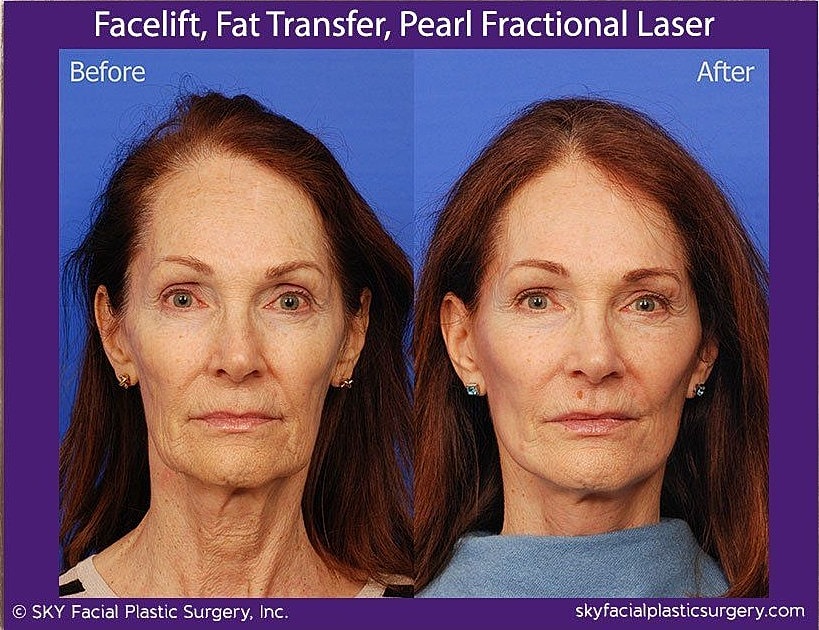
The procedure doesn’t replace true volume loss. It repositions tissues that have descended. When facial fat atrophy has also created hollowness, Dr. Yoo may recommend fat transfer to restore an appropriate amount of softness.
One Name, Many Surgical Approaches
On the day of your deep plane facelift, Dr. Yoo begins by making precise incisions near the hairline and extending around the ears, carefully placed to minimize visible scarring. Using our San Diego deep plane facelift technique, he lifts and repositions the deeper facial tissues, releasing ligaments that contribute to sagging and restoring youthful contours. Excess skin is gently trimmed, and the incisions are closed with meticulous attention to detail for a tension-free closure. The procedure is performed while the patient is comfortably asleep under general anesthesia and typically lasts several hours, depending on the level of correction required.
Dr. Yoo explains:
“Many patients believe a deep plane facelift is a single technique, but it is more accurate to think of it as a surgical category. In reality, there are many variations of deep plane facelift techniques that have evolved over time.”
—Dr. Sirius K. Yoo
Terms such as deep plane lift or deep plane facelift provide only a general description. They don’t explain how the surgeon approaches the SMAS, which retaining ligaments are released, or how the procedure is adapted to the patient.
The Name Doesn’t Tell the Whole Story
Some older facelift methods focused primarily on tightening and removing excess skin. Because skin is elastic and relatively weak, it cannot provide lasting support when the deeper tissues have also descended. Excessive skin tension can also contribute to widened scars or a pulled appearance.
Facelift techniques evolved to address the superficial musculoaponeurotic system (SMAS), a supportive fibromuscular layer beneath the skin. Different approaches may tighten this layer with sutures, remove or overlap a portion of it, or free it from the tissues below so it can be repositioned.
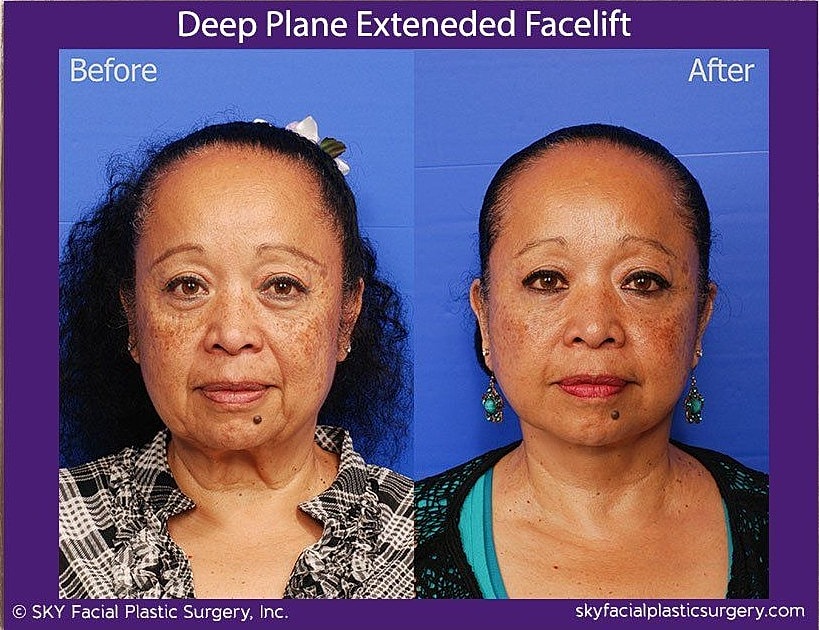
The deep plane approach extends farther into the face to the zygomaticus major (one of the facial muscles involved in raising the corner of the mouth) or beyond in the case of a deep plane extended lift. This makes it possible to release retaining ligaments that would otherwise restrict how evenly the tissues can move.
Regarding the term “mini facelift”, there’s no consistently accepted definition. Different surgeons may use the term for very different operations. Patients should ask which tissues will be treated and what the procedure can realistically improve.
Across facelift techniques, the depth of surgery, ligaments released, lifting direction, and treatment of the jawline and neck can all affect the result.

A Closer Look at Dr. Yoo’s Technique
Older facelift techniques often pulled more laterally. A vertical lift more closely follows the direction in which youthful facial tissues were naturally positioned. Releasing the necessary ligaments allows this repositioning to occur more evenly without using the skin to hold the force of the lift.
Dr. Yoo uses a modified vertical deep plane technique in most of his facelift surgeries. He releases the retaining ligaments that restrict the movement of descended tissues and lifts those tissues in a more vertical direction. He also splits the SMAS along the jawline so he can adjust the face and neck independently. When appropriate, he custom-contours the angle of the mandible to create a smoother transition between the lower face, jawline, and neck.
“The face and neck age differently and descend differently, so addressing them separately is important.”
—Dr. Sirius K. Yoo
One patient may have pronounced jowling with relatively little neck laxity. Another may have neck fullness or more significant descent of the platysma muscle. Treating these areas independently gives Dr. Yoo greater control over each patient’s final contours.
What Happens During Your Surgery
Deep plane facelift surgery is performed under general anesthesia and generally takes four to five hours. Operating time varies according to the extent of correction and whether the plan includes fat grafting, eyelid surgery, or another procedure.
Dr. Yoo places discreet incisions along shadow lines, natural creases, and contours near the hairline and around the ears. He then releases the key facial ligaments needed for an even lift, repositions the deeper tissues, and adjusts the facial and neck portions of the SMAS independently.
When appropriate, Dr. Yoo also contours the angle of the mandible. Once the deeper work is complete, he conservatively trims the excess skin so the remaining edges naturally meet. The sutures hold those edges in place without using the skin to support the lift.


A Plan Based on the Whole Face
During your consultation, Dr. Yoo evaluates your bony framework, facial proportions, volume loss, skin quality, and degree of soft-tissue laxity. He also looks at where the tissues have descended and how fat is distributed along the jawline and neck.
Earlier photographs can be helpful because people naturally have different amounts of facial fat and cheek volume. A photograph from an earlier decade can show Dr. Yoo what looked natural for you before age-related changes came in, particularly when fat transfer or filler is being considered.
Even when he uses the same overall deep plane technique, Dr. Yoo tailors the procedure to your facial anatomy, the amount of excess skin that may remain after lifting, and your goals.
Where a Deep Plane Facelift Can Help
With a deep plane facelift San Diego patients can improve certain things depending on their anatomy and surgical plan:
Because the deep plane facelift repositions the deeper tissues, it can create a smoother transition between the cheeks, lower face, jawline, and neck. However, it doesn’t directly correct brow descent, eyelid changes, skin texture, or true facial volume loss. Those concerns may require complementary treatments.
Patients sometimes assume that the least invasive operation will create the most natural-looking results. Dr. Yoo explains that this is not always the case:
“A common misconception is that doing less surgery will automatically create a more natural result. In reality, that can produce the opposite effect.”
—Dr. Sirius K. Yoo
Retaining ligaments are unevenly distributed throughout the face. If they aren’t adequately released, some tissues move while others remain firmly anchored. Pulling against those fixed areas can create an uneven or unnatural lift. An obvious facelift can also result from an overly lateral lifting direction, poorly placed incisions, scars that heal under excessive tension, or unnatural contours. Dr. Yoo’s facelift techniques aim to address these issues through appropriate ligament release, a more vertical lifting direction, careful contouring, and meticulous closure.

Fillers restore volume but have a limited ability to lift significantly descended tissues. Using increasingly large amounts of filler to create lift can make the face look heavy or overfilled.
Dr. Yoo uses the patient’s anatomy and earlier photographs, when available, to guide volume restoration. Filler should support the patient’s natural proportions rather than exceed the amount of volume they had when they were younger.
A mini facelift isn’t a standardized procedure, so what it includes can vary from surgeon to surgeon. Whether it can provide enough correction also depends on the extent of the patient’s facial aging. Significant jowling or neck laxity may require more complete ligament release and tissue repositioning to create an even result.
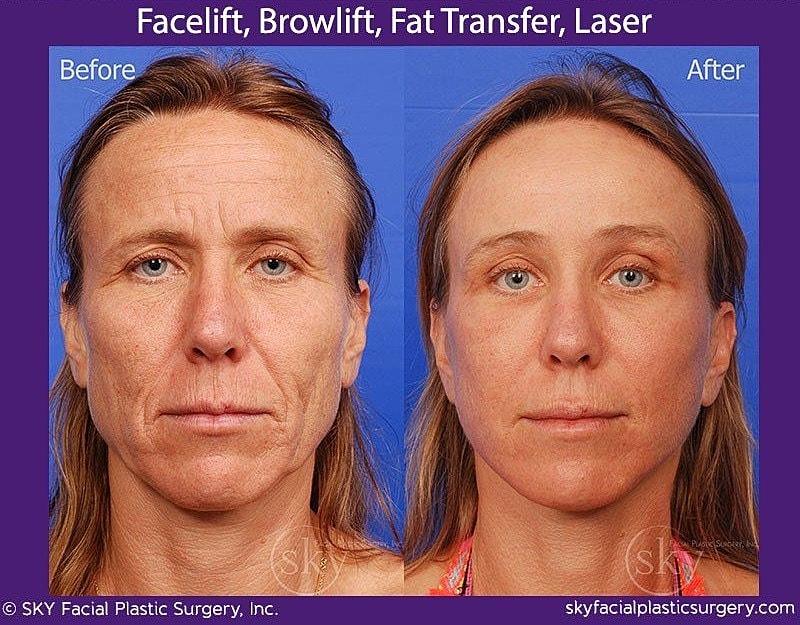
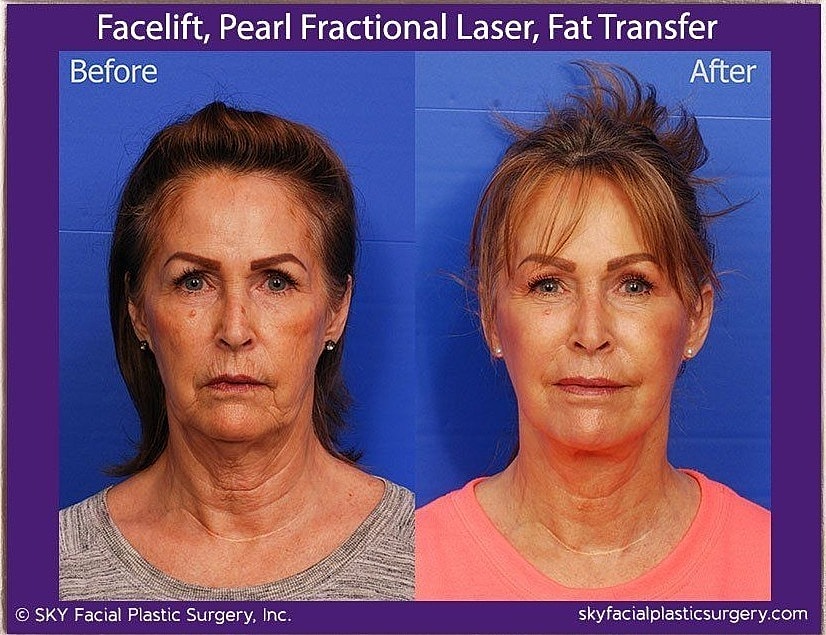
When both tissue descent and volume loss are present, Dr. Yoo may combine the facelift with fat transfer. The facelift lifts descended tissues, while fat grafting restores selected areas that have become hollow.
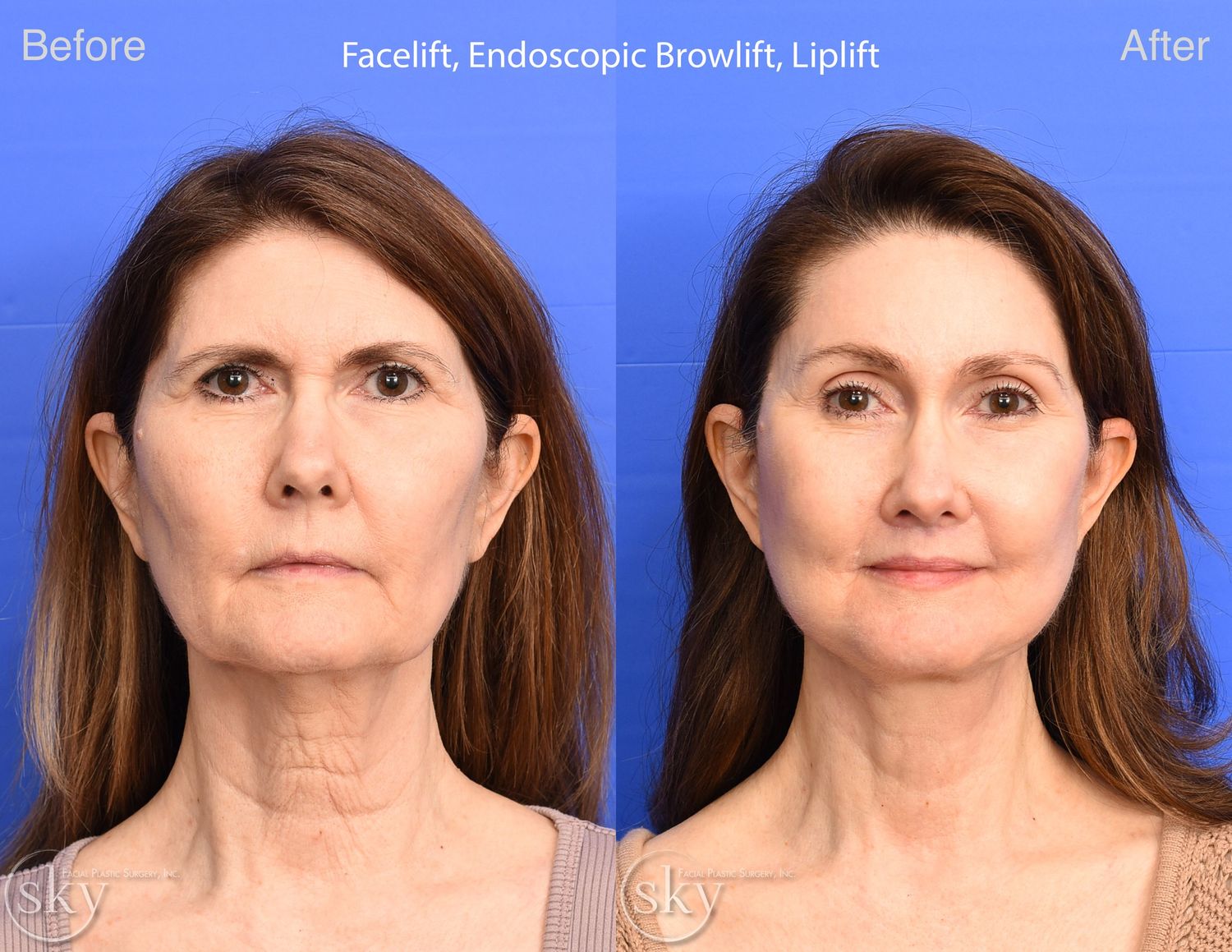
In plastic surgery terminology, a facelift treats the lower face and neck. It can improve the cheeks, jowls, jawline, and neck, but it does not automatically lift the forehead, brows, or eyelids.
What patients call a “full facelift” is usually a combination of procedures. Depending on the areas affected by facial aging, comprehensive facial rejuvenation might include a facelift with a brow lift, eyelid surgery, fat transfer, or skin resurfacing.
Dr. Yoo recommends additional procedures only when they contribute meaningfully to a balanced, natural appearance.
Careful Placement, Minimal Tension
Dr. Yoo places facelift incisions along shadow lines, natural creases, and contours near the hairline and around the ears. Thoughtful placement helps the scars blend into the surrounding anatomy as they mature. The tension on the incision is equally important. After the deeper tissues have been lifted, Dr. Yoo trims the excess skin so the remaining edges naturally meet.
“Sutures should simply hold the edges in place, not create tension. This allows the incision to heal as well as possible.”
—Dr. Sirius K. Yoo
Visible scars can’t be eliminated completely, but discreet incisions and a tensionless closure can make them considerably less conspicuous over time.
A Decision Based on Anatomy, Not Age Alone
Candidates are generally healthy adults experiencing visible descent through the cheeks, lower face, jawline, or neck. They may be bothered by jowls, deep folds, sagging skin, or reduced definition between the face and neck.
Candidacy depends more on facial anatomy and the pattern of aging than on a particular age. Patients should have realistic expectations and understand that facelift surgery creates lasting improvement without stopping the aging process.
Smoking and nicotine can interfere with circulation and healing. Patients must be willing to follow Dr. Yoo’s instructions concerning nicotine, medications, activity, and aftercare.
Dr. Yoo will review your medical history, medications, previous procedures, and any conditions that could affect general anesthesia or healing. You may be asked to pause certain medications or supplements, but you should not stop a prescription medication without appropriate medical guidance.
Arrange for an adult to drive you home and help during the early stage of recovery. It also helps to fill prescriptions in advance, prepare a comfortable place to rest, and allow enough time away from work and social commitments.
Recovery after a deep plane facelift varies by patient and the extent of surgery, but swelling, bruising, tightness, and temporary changes in sensation are common during the early stages of healing. Following Dr. Yoo’s postoperative instructions and allowing adequate time for recovery are important parts of the healing process.
The First Week
Swelling and bruising are typically most noticeable during the first several days. Patients should rest with their head elevated, limit strenuous activity, and follow instructions for incision care, medications, and follow-up appointments. Some tightness, numbness, and facial swelling are expected during this stage.
Weeks 2–3
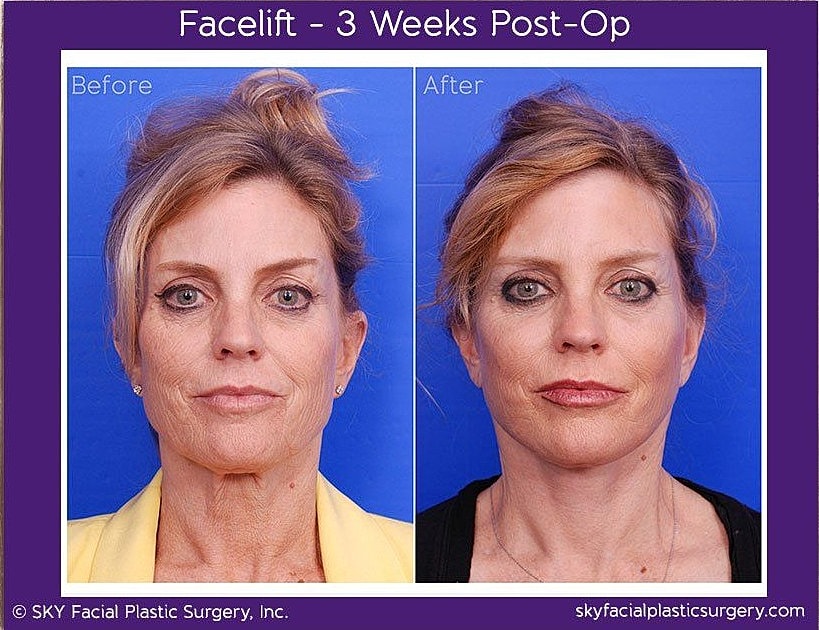
Bruising and swelling generally continue to improve, and many patients begin feeling comfortable returning to work and social activities within approximately two to three weeks. Residual swelling or tightness may still be present even when patients feel well enough to resume much of their normal routine.
Returning to Exercise and Normal Activities
Light activity, such as walking, is generally encouraged during recovery, while strenuous exercise, heavy lifting, and activities that significantly increase blood pressure should be avoided until cleared by Dr. Yoo. Activity is gradually increased as healing progresses.
When Will I See My Final Results?
Changes in facial contour become increasingly apparent as swelling resolves, but healing continues well beyond the first few weeks. Residual swelling, incision maturation, and settling of the repositioned tissues can continue for several months, so the final outcome should not be judged during the early recovery period.
Early changes may be visible once the initial swelling begins to subside. The cheeks, lower face, jawline, and neck continue to soften and settle over the following weeks and months.
Deep plane facelift results are long-lasting, but no surgical procedure stops facial aging. Genetics, skin quality, sun exposure, health, weight changes, and lifestyle all influence how the face continues to change.
Dr. Yoo describes the intended result this way:
“Patients should still look like themselves, but refreshed rather than looking like they’ve had plastic surgery.”
—Dr. Sirius K. Yoo
Cost depends on the complexity of the procedure, the extent of facial and neck correction, and whether fat transfer, eyelid surgery, or another treatment is included. Pricing may also reflect general anesthesia, facility fees, and postoperative care.
Following your consultation, the SKY Facial Plastic Surgery team will provide a personalized quote based on Dr. Yoo’s surgical plan.
Dr. Yoo will examine your face and neck and explain how he would adapt his facelift approach to your anatomy.
Schedule a consultation with Dr. Yoo to learn whether deep plane facelift surgery is right for you.
There is no single best age. Candidacy depends on facial anatomy, tissue descent, skin laxity, health, and the changes you want to address.
Yes. Dr. Yoo customizes incision placement, lifting direction, and contouring to respect each patient’s hairline, facial structure, and natural masculine features.
The procedure typically takes four to five hours. Surgery may take longer when fat transfer, eyelid surgery, a brow lift, or another procedure is included.
Yes. Depending on the patient’s aging pattern, Dr. Yoo may combine it with fat transfer, blepharoplasty, a brow lift, or skin resurfacing.
Risks may include bleeding, infection, delayed healing, unfavorable scarring, fluid accumulation, changes in sensation, asymmetry, skin-healing problems, facial nerve injury, and anesthesia-related complications. Dr. Yoo will explain the risks related to your surgical plan.
Results are long-lasting, although their duration varies. The benefits of a deep plane facelift can last 10–15 years, depending on factors like age, genetics, and lifestyle.
The goal is to restore a refreshed version of your natural appearance. Dr. Yoo plans the direction and extent of the lift around your anatomy, earlier facial proportions, and goals.
A deep plane facelift is performed using general anesthesia to ensure comfort and safety.